Visit Us
1100 NE 163rd Street, Suite 101 · North Miami Beach, FL 33162
Call Now!
(305) 834-4103


At Primary Foot Care Center, Inc., we provide a range of noninvasive therapies designed to reduce discomfort and support recovery in the feet and lower legs. HealthLight infrared light therapy is a medical-grade photobiomodulation system that offers focused red and infrared wavelengths to influence cellular function. For many patients, it’s a comfortable, low-risk option that complements traditional podiatric care, especially when addressing nerve-related symptoms, circulation concerns, or slow-healing tissue.
The appeal of HealthLight lies in its simplicity: short, in-office sessions with minimal preparation and no downtime. Because the treatment is gentle and targeted, it can often be integrated into an existing care plan alongside footwear advice, wound management, exercise recommendations, or other therapies. Our goal is to use evidence-informed tools that help restore function and reduce barriers to daily activity.
This page explains how the technology works, what kinds of conditions may respond, and what patients can expect during a typical visit. We aim to describe the therapy clearly so you can discuss whether it may be appropriate for your particular situation.
HealthLight operates on the principle of photobiomodulation, where specific wavelengths of light are delivered to tissues to encourage cellular responses. Red and near-infrared light penetrate skin and soft tissue and are absorbed by chromophores inside cells. That absorbed energy can support mitochondrial activity and promote biological processes that contribute to improved circulation, reduced inflammation, and cellular repair mechanisms.
The device uses high-quality LEDs tuned to narrow wavelength bands rather than broad-spectrum light. This focused output helps ensure more of the emitted energy reaches the intended depth and target structures. Many patients report nothing more than a mild warmth during treatment, which is an expected and comfortable sensation when therapeutic light is delivered safely.
In practical terms, the light’s effect is to create an environment in which healing and tissue resilience are more likely to occur. While the therapy does not replace medical evaluation or necessary interventions, its biological actions make it a useful adjunct when the clinical aim is to support nerve function, circulation, or soft-tissue recovery.
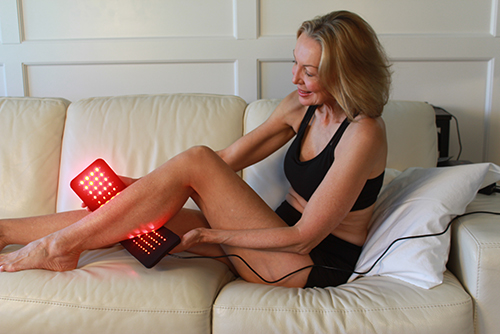
The system uses flexible neoprene pads populated with specially engineered LEDs. These pads are designed to wrap closely around the area being treated—whether the sole, top of the foot, ankle, or lower calf—minimizing light loss that occurs when devices sit away from the skin. By maintaining close contact, the pads concentrate energy where it is needed most.
Two technical features help distinguish medical-grade devices like HealthLight: consistent wavelength stability and a tighter beam angle from the LEDs. Stability means the light remains within the therapeutic range throughout treatment sessions; a narrow beam angle reduces scatter and increases the effective dose delivered to tissues. Together, these design elements enhance efficiency without increasing discomfort.
The controller creates pulsed patterns in the light output, rather than a continuous steady beam. Pulsing is used intentionally to sustain cellular responsiveness—preventing biological systems from acclimating to an unchanging stimulus. This pulsed delivery, precise wavelength control, and pad design work together to make each standard session both safe and effective at delivering meaningful light energy.
HealthLight is commonly offered to people who have chronic nerve symptoms such as burning, tingling, numbness, or pins-and-needles sensations—symptoms often associated with diabetic neuropathy and other peripheral neuropathies. By supporting nerve health and local circulation, photobiomodulation may help reduce symptom intensity and improve comfort during walking and daily activities.
Beyond neuropathic symptoms, the therapy can be considered for persistent soft-tissue pain, slow-healing irritations, or circulation-related complaints such as tired or heavy legs. It is important to recognize that this therapy is an adjunct: it supports the body’s natural healing processes rather than acting as a single definitive cure. Optimal results are typically achieved when light therapy is integrated into a personalized treatment plan.
Because individual responses vary, clinicians use thorough evaluations to set realistic expectations. For people with compromised sensation, vascular disease, or active wounds, HealthLight may be paired with protective measures, offloading strategies, or wound-care protocols to make sure outcomes are both safe and effective.
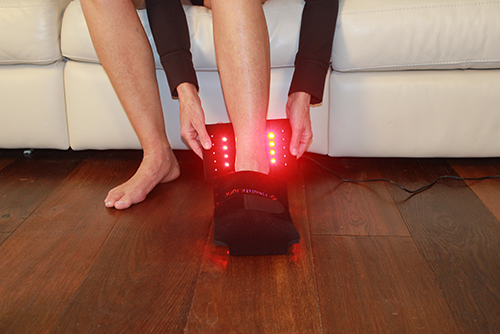
Your visit begins with a focused clinical review so the provider can confirm that photobiomodulation is appropriate for your condition. This assessment includes a review of your symptoms, relevant medical history, and an examination of the feet and lower legs. For patients with diabetes, neuropathy, or circulatory problems, this evaluation helps identify any precautions needed during treatment.
Once the plan is set, neoprene LED pads are positioned around the area chosen for therapy. A standard treatment session is approximately twenty minutes. Most patients experience a gentle warmth and can relax during the procedure—no anesthesia or special preparation is required. Because the pads wrap securely, the light delivery is consistent and effectively focused on the target tissues.
After the session you are free to resume normal activities. There is no recovery period associated with the light itself, though your overall care plan may include additional instructions such as footwear modifications, exercises, or follow-up visits. If you are under professional care for an underlying condition, the treatment will be coordinated with your broader medical plan.
Safety is a priority with medical-grade LED systems. HealthLight devices are designed to maintain safe skin temperatures and operate within established guidelines for therapeutic LED equipment. This control is particularly important for patients with reduced sensation, for whom temperature perception may be altered. Treatment sessions are timed and monitored to ensure consistent, safe energy delivery.
Before starting therapy, your provider will review your medical history and any medications or conditions that may affect treatment. Photobiomodulation is broadly well tolerated, but individual considerations—such as photosensitive conditions or certain medications—are assessed to keep treatment appropriate and safe. Clinicians document progress and adjust protocols based on response.
We offer HealthLight as part of a conservative, outcome-focused approach to foot and lower-leg care. Its role is to support circulation, encourage tissue health, and provide symptom relief when used alongside other clinician-directed therapies. If you have questions about how it might fit into your treatment, our team can explain potential benefits and limitations during a consultation.
To learn more about HealthLight infrared light therapy at our North Miami Beach office, call our office at (305) 834-4103 to schedule an appointment. Our staff can answer questions about the treatment process and help you determine whether an evaluation with Dr. Fishman is the right next step.
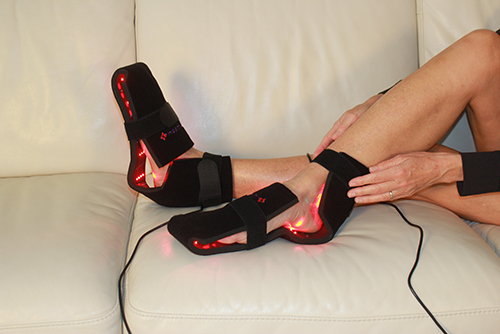
In summary, HealthLight infrared light therapy offers a noninvasive, well-tolerated option to support nerve function, circulation, and tissue health in the feet and lower legs. If you’re exploring conservative ways to reduce discomfort and improve mobility, please contact us to learn more and discuss whether this therapy is a fit for your needs.
Medically reviewed by Dr. Tamara Fishman, DPM Updated September 17, 2026
HealthLight infrared light therapy is a medical-grade photobiomodulation treatment that uses focused red and near-infrared LED wavelengths to influence cellular activity in soft tissue. The system delivers energy through flexible neoprene pads that conform to the foot, ankle, or lower leg. The goal of the therapy is to support biological processes that promote circulation, reduce inflammation, and encourage cellular repair.
The treatment is noninvasive, performed in-office, and does not require anesthesia or a recovery period. Sessions are brief and designed to be integrated into a broader podiatric care plan. HealthLight is intended as an adjunctive therapy to help improve comfort and function rather than as a standalone cure for complex medical conditions.
HealthLight operates on the principle of photobiomodulation, where specific wavelengths of light are absorbed by chromophores inside cells and influence mitochondrial activity. That absorbed energy can support ATP production and signaling pathways that contribute to tissue repair, reduced inflammation, and improved local circulation. These cellular responses create an environment more conducive to healing and functional recovery.
The device uses narrowband LEDs and pulsed output to maintain consistent wavelength stability and prevent biological acclimation to a continuous stimulus. Close skin contact with the neoprene pads reduces light scatter and increases effective energy delivery to target tissues. Sensations during therapy are typically limited to a mild, pleasant warming and do not indicate tissue damage.
HealthLight is commonly used to address chronic nerve-related symptoms such as numbness, tingling, burning, or pins-and-needles sensations often associated with peripheral neuropathies. It may also be considered for persistent soft-tissue pain, delayed healing of superficial irritations, and circulation-related complaints such as tired or heavy legs. The therapy is selected when the clinical objective is to support nerve function, circulation, or soft-tissue recovery.
Because responses vary, clinicians evaluate each condition in the context of the patient’s overall health, vascular status, and wound risk. HealthLight is best applied as part of a comprehensive plan that can include offloading, wound-care protocols, therapeutic exercise, and footwear adjustments. The therapy should not replace necessary medical or surgical interventions when those are indicated.
Good candidates are people who have persistent nerve symptoms, circulation concerns, or slow-healing superficial tissue irritations that are appropriate for conservative management. Candidates typically undergo a clinical evaluation to confirm that photobiomodulation is a suitable adjunct given their medical history and current status. The therapy may be particularly useful for patients seeking noninvasive support to complement other clinician-directed treatments.
Certain situations require caution or alternative approaches, including active malignancy in the treatment area, some photosensitive conditions, or medications that increase light sensitivity. Clinicians review medical history, current medications, and relevant risks before recommending HealthLight and document any necessary precautions. If there is uncertainty, the provider will describe alternative options and monitoring strategies to keep care safe and effective.
Your visit begins with a focused clinical review and an examination of the feet and lower legs to confirm that photobiomodulation is appropriate for your condition. The provider discusses relevant medical history, sensation and circulation status, and any precautions that might affect treatment planning. This assessment helps set realistic goals and establish a personalized protocol.
Once the treatment plan is set, flexible neoprene LED pads are positioned around the target area and a timed session of approximately 20 minutes is delivered. Patients usually feel only a gentle warmth during the procedure and are free to relax or read while the device runs its program. At Primary Foot Care Center, Inc., the team coordinates the session with any concurrent wound care, footwear advice, or exercise recommendations as part of the overall plan.
HealthLight systems are designed to meet medical device standards for therapeutic LED equipment, with controls to maintain safe skin temperatures and consistent energy delivery. Safety is emphasized for people with reduced sensation or vascular disease, so clinicians monitor treatment times and skin response closely. The noninvasive nature of the therapy means there is no downtime associated with the light itself.
Before starting treatment, your provider reviews your medications and health conditions that could increase light sensitivity or alter risk, such as certain photosensitizing drugs. Pregnant patients and those with active cancer in the treatment area are discussed on an individual basis to determine appropriateness. Documentation of progress and protocol adjustments are part of routine care to maintain safety and effectiveness.
HealthLight distinguishes itself through medical-grade design features such as narrowband LEDs, tight beam angles, and pulsed output patterns that together increase effective energy delivery to target tissues. The flexible neoprene pads allow close skin contact and minimize loss of light through scatter, which helps concentrate the therapeutic dose where it is needed. Wavelength stability and controlled pulsing are used to sustain cellular responsiveness throughout the session.
These technical elements make HealthLight efficient for clinical use without increasing discomfort or complexity for the patient. Unlike broad-spectrum consumer devices, medical-grade systems are engineered with consistency and monitoring in mind, supporting integration into evidence-informed treatment plans overseen by licensed clinicians. Device selection and protocol customization are based on clinical goals and tissue depth rather than a one-size-fits-all approach.
Yes. HealthLight is commonly used as an adjunct to other clinician-directed therapies such as wound care protocols, therapeutic exercises, footwear and orthotic recommendations, and other noninvasive modalities. Combining treatments allows clinicians to address multiple aspects of a condition, for example pairing light therapy to support circulation while using offloading strategies to protect a healing area. Coordination helps ensure therapies complement rather than conflict with one another.
Your treating clinician will design an integrated plan and schedule to avoid incompatible timing or overlapping precautions. Progress is monitored and protocols are adjusted based on objective findings and symptom changes. The intent is to use HealthLight as one component of a conservative, outcome-focused strategy rather than as a standalone solution.
Recommended session counts and scheduling vary by condition, severity, and individual response, so clinicians tailor plans to each patient’s needs. In many cases a series of treatments delivered over several weeks is used to build and sustain therapeutic effects, and the exact regimen is guided by clinical goals and observed progress. The provider documents outcomes and may modify the protocol if the expected response is not occurring.
Some patients notice subtle changes in comfort or function within a few sessions while others require longer to demonstrate measurable improvement, reflecting the variability in biological healing processes. Clinicians use objective measures and patient feedback to evaluate response and set realistic expectations. If progress stalls, the care team discusses alternative or complementary strategies to support overall recovery.
The appropriate first step is a clinical consultation and foot and lower-leg examination so the provider can assess sensation, circulation, wound risk, and relevant medical history. During that visit the clinician explains potential benefits, limitations, and any precautions specific to your situation and outlines how the therapy would fit within a comprehensive treatment plan. This individualized review ensures that expectations are aligned with likely outcomes.
To schedule an evaluation at our North Miami Beach office, call (305) 834-4103 and request a consultation with Dr. Tamara Fishman or a member of the clinical team. The staff can answer procedural questions and help you prepare for your visit so the assessment can be efficient and informative. A personalized plan will be developed based on the examination and clinical findings.
Send us a message and a member of our team will get back to you shortly. For urgent concerns, please call the office directly.

Phone: